Aero Diagnostics
Advanced diagnostic analysis to understand the root cause of your hair and health concerns.
SIBO Testing
About SIBO testing
Abnormal growth of bacteria within the small bowel is tested by having the client ingest lactulose and then measuring hydrogen and methane. In small intestinal bacterial overgrowth (SIBO), the small intestinal bacteria metabolize the lactulose or glucose given and produce an early rise in the breath hydrogen.
Who is SIBO testing for?
The test is used for detecting small intestine bacterial overgrowth, also known as SIBO, or Small bowel bacterial overgrowth syndrome (SBBOS) and is a disorder of excessive bacterial growth in the small intestine. Unlike the colon (or large bowel), which is rich with bacteria, the small bowel usually has fewer than 104 organisms per milliliter. People with bacterial overgrowth typically develop symptoms including nausea, bloating, vomiting, diarrhea, gas, abdominal cramps, malnutrition, weight loss and malabsorption.
Why is the breath tested?
Hydrogen and methane gas in the body is produced from intestinal bacteria. Bacteria, normally in the large intestine, produce hydrogen through fermentation of carbohydrates – such as lactose, glucose, lactulose, sucrose, and fructose which are substrates given for the hydrogen breath test. Some of the hydrogen produced by bacteria is absorbed by intestinal mucosa whereby it enters the vasculature and is transported to the lungs. Hydrogen is then exhaled by the lungs through normal breathing.
Abnormal growth of bacteria within the small bowel is tested by having the client ingest lactulose and then measuring hydrogen and methane. In small intestinal bacterial overgrowth (SIBO), the small intestinal bacteria metabolize the lactulose or glucose given and produce an early rise in the breath hydrogen.
How does SIBO testing work?
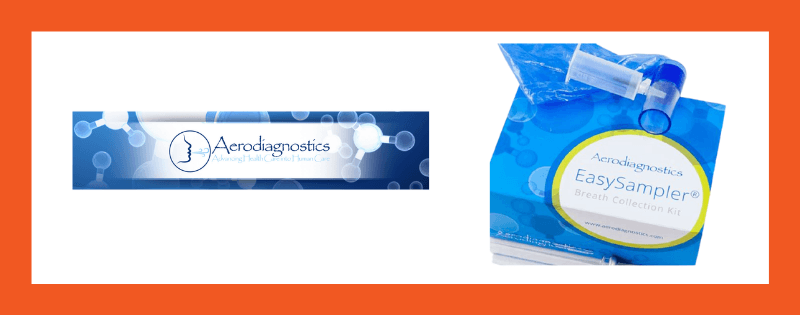
A breath sample will be collected by having you exhale through the collection device to establish a baseline hydrogen/methane level in your breath. Your breath specimens are collected via a patented collection device to ensure accuracy for analysis which takes up to three hours, every 20-30 minutes, in the comfort of your home. During the test, you should not eat, chew candy, smoke, sleep, or exercise.
Aerodiagnostics is the laboratory that will assist you with your test preparation, breath collection, the return shipping of your breath specimens, and any questions you might have along the way! You will notice another name “Quintron” on your breath collection kit and on some of the paperwork. Quintron is the manufacturer of the breath collection kits and the machinery used in the Aerodiagnostics Laboratory to analyze your breath specimens.
IMPORTANT TEST PREPARATION
READ CAREFULLY:
- For fourteen (14) days before your test (or as directed by your clinician), do not take any antibiotics.
- For seven (7) days before your test, do not take any laxatives or stool softeners (for example Colace, Milk of Magnesia, Ex-Lax) or stool bulking agents (for example Metamucil or Citrucel). You should also not undergo any test that requires cleansing of the bowel, such as colonoscopy or barium enema.
- The day before your test: You may consume only the following foods and drinks:
Plain white bread, plain white rice, plain white potatoes, baked or broiled chicken or fish, water, non-flavored black coffee or tea. Only salt may be used to flavor your food. Butter or margarine is not permitted. Soda drinks are not permitted. DO NOT EAT OR DRINK ANYTHING ELSE – it could give false results for the test. Specifically, avoid beans, pasta, fiber cereals, and high fiber foods. The night before the test, have an early dinner of rice and meat.
- You must stop eating and drinking 12 hours before the test. For example, if your test is at 9:00 a.m., you would stop eating and drinking at 9:00 pm the night before. You may continue to take your usual prescription medicines with water until 12 hours before the test. Take no medications the morning of your test unless directed by your clinician.
- The day of your test: You should not eat or drink anything in the morning. If you are diabetic requiring insulin or diabetic pills, ask your physician if you should change your morning dose. Generally, half of your normal long acting insulin is given. Oral hypoglycemic medications are usually not taken that morning until completion of the test and resumption of eating meals.
Always check with your physician prior to altering any of your medications, or your diet.
Frequently Asked Questions Regarding SIBO Testing
When you join HealthyHairFix™
, you’re getting a comprehensive, whole-body hair restoration program. This includes access to the HealthyHairFix™ roadmap, live group coaching sessions, personalized guidance in our private community, in-depth meal plans, recipes, shopping lists, and a toolkit of resources designed to get to the root cause of hair loss. Plus, if you choose, you can add functional lab testing as an optional upgrade to gain deeper insights into your unique needs.