Biotin Supplementation: Efficacy and Clinical Risks
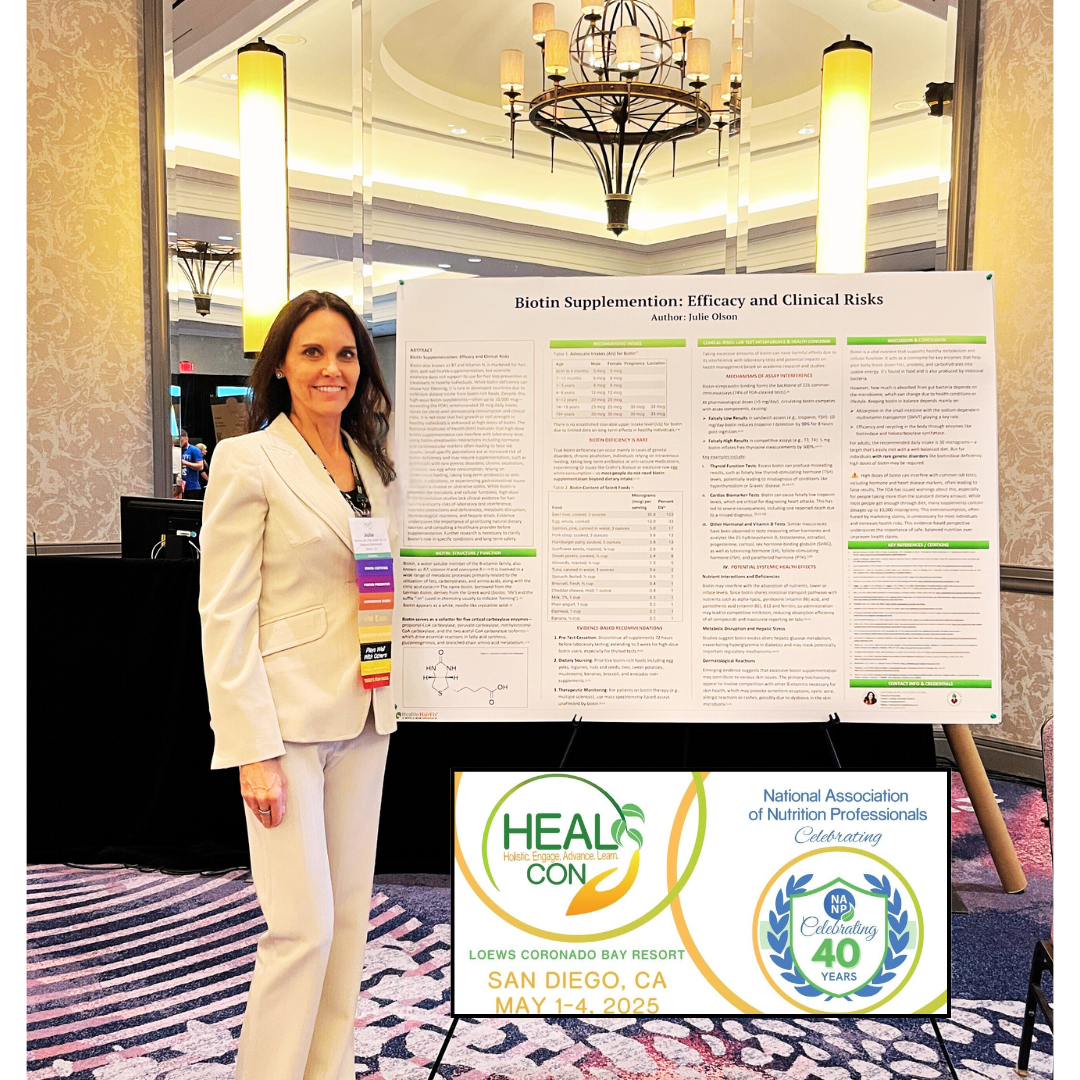
Author and presenter Julie Olson, BSc, BCHN, CN, CGP at NANP HealCon 2025
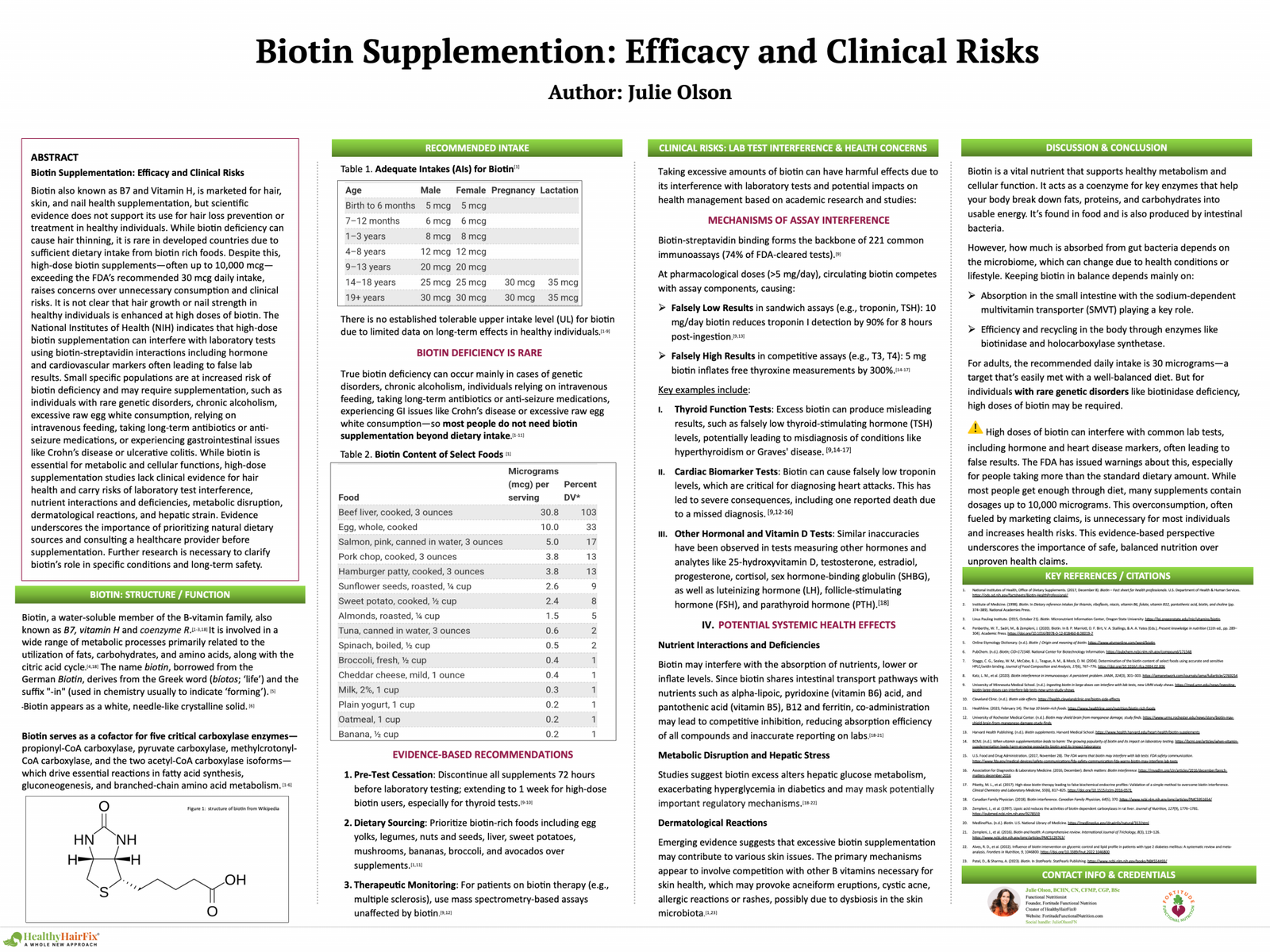
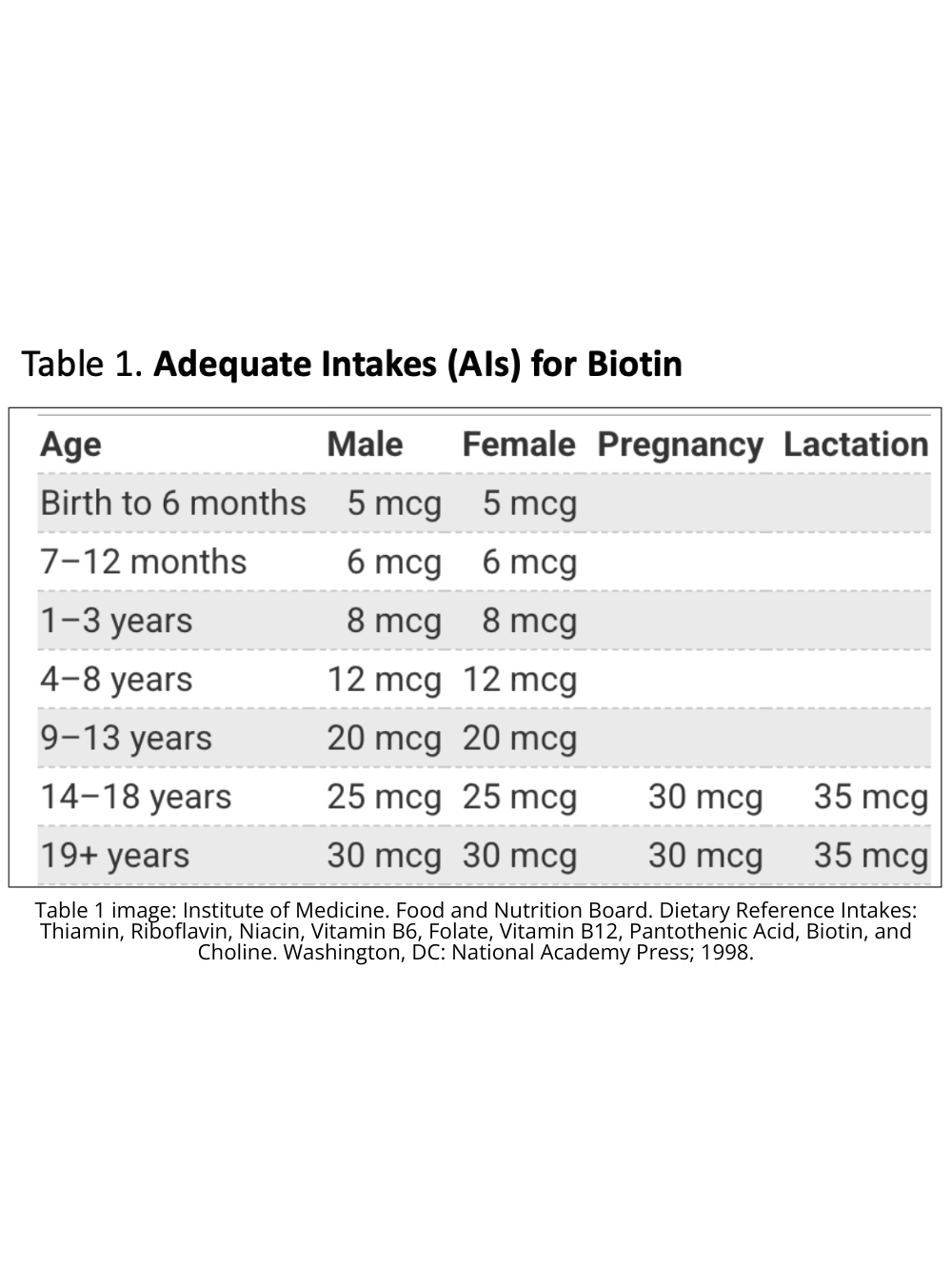
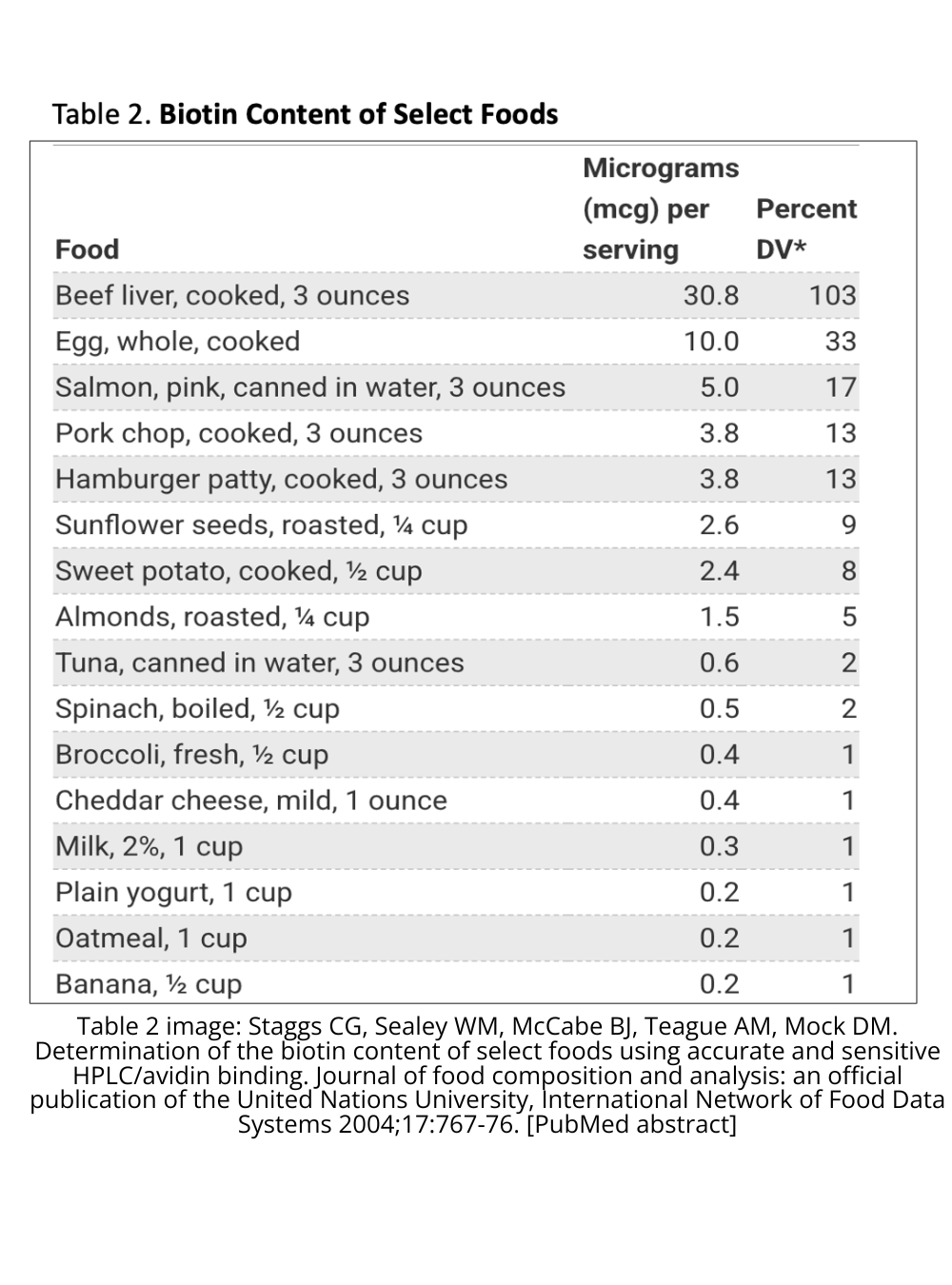
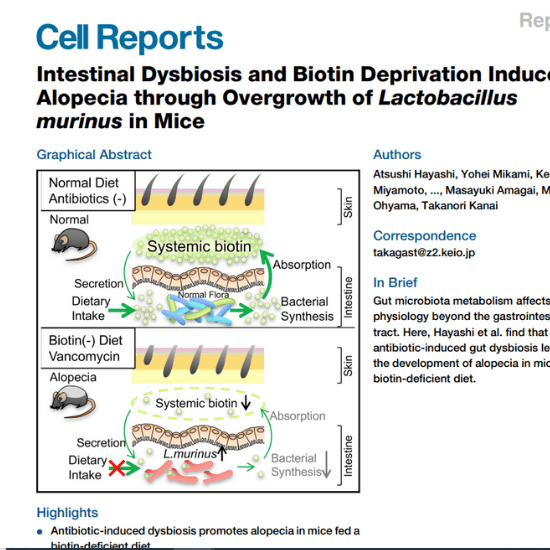
Biotin also known as B7 and Vitamin H, is marketed for hair, skin, and nail health supplementation, but scientific evidence does not support its use for hair loss prevention. or treatment in healthy individuals. While biotin deficiency can cause hair thinning, it is rare in developed countries due to sufficient dietary intake from biotin rich foods. Despite this, high-dose biotin supplements—often up to 10,000 mcg—exceeding the FDA’s recommended 30 mcg daily intake, raises concerns over unnecessary consumption and clinical risks.
Author and presenter Julie Olson, BSc, BCHN, CN, CGP at NANP HealCon 2022
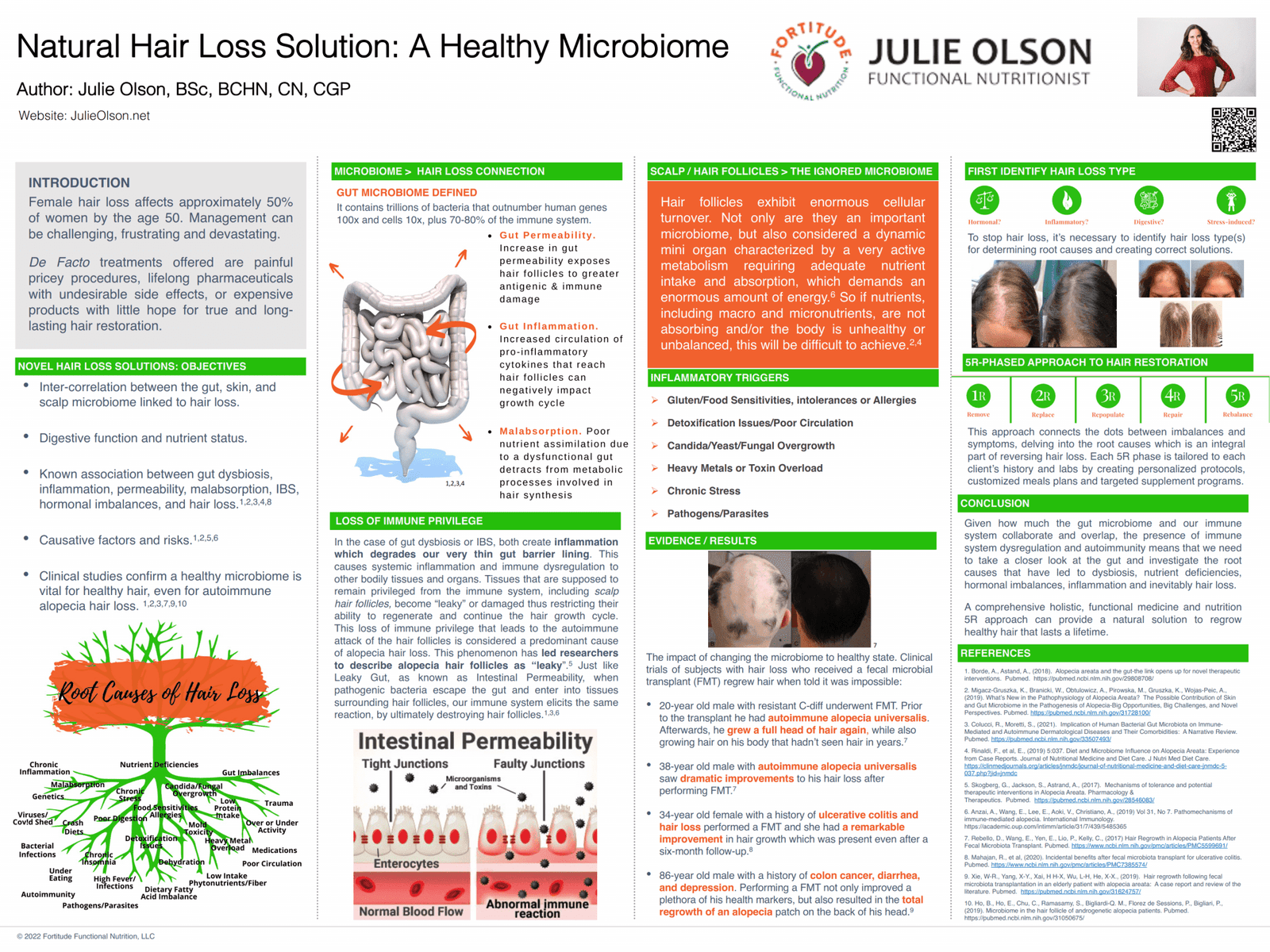
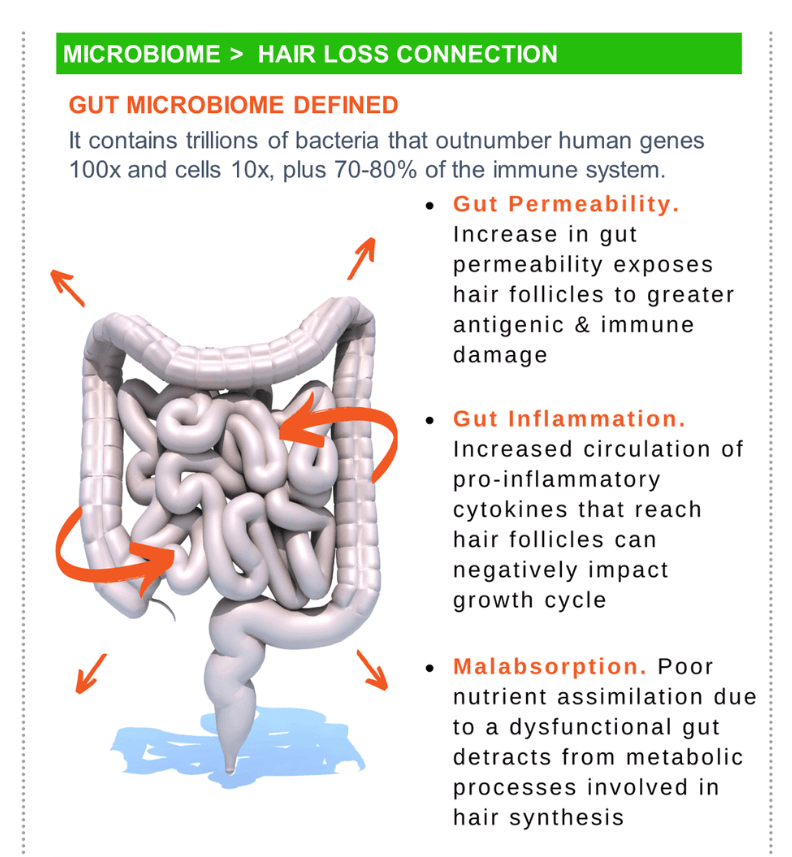
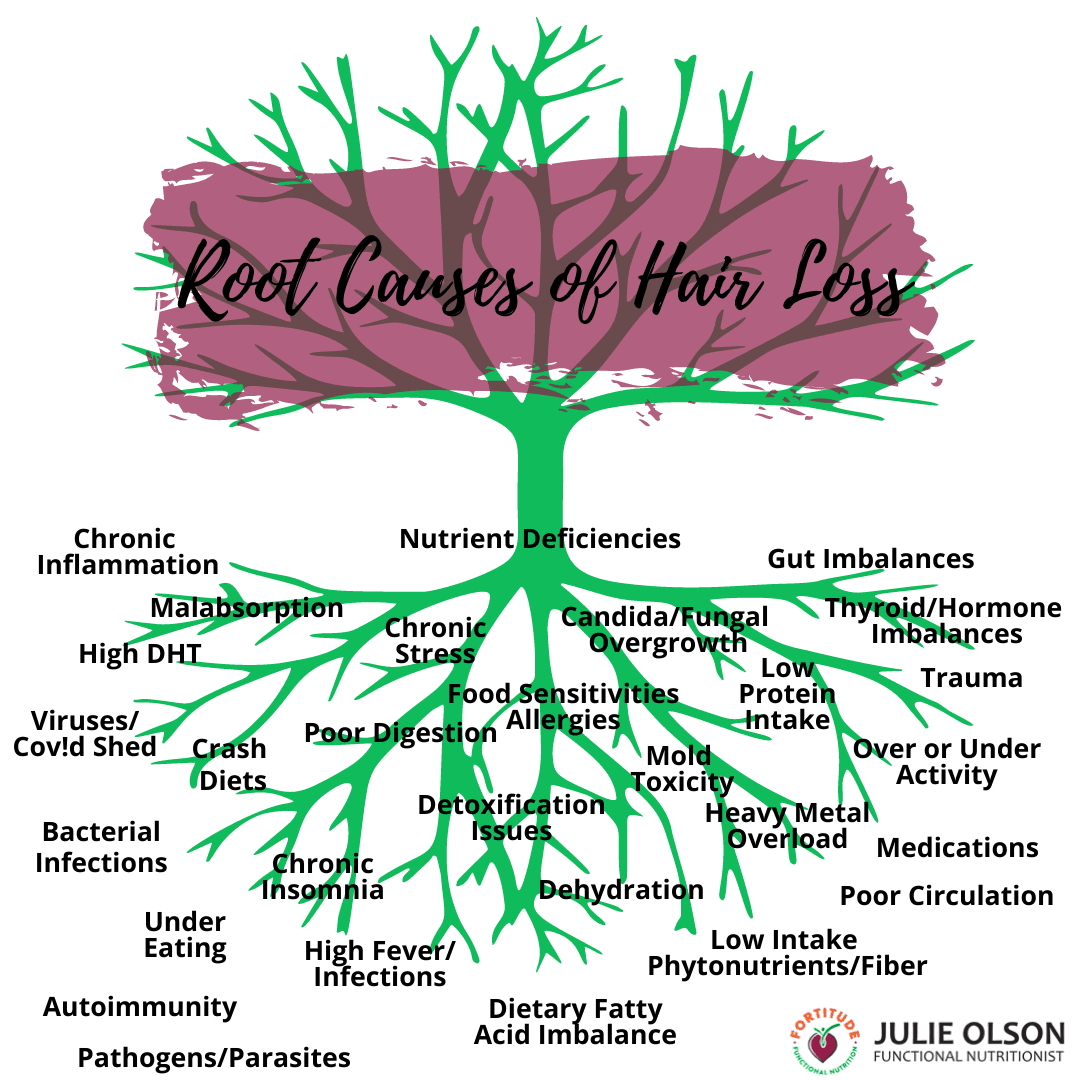
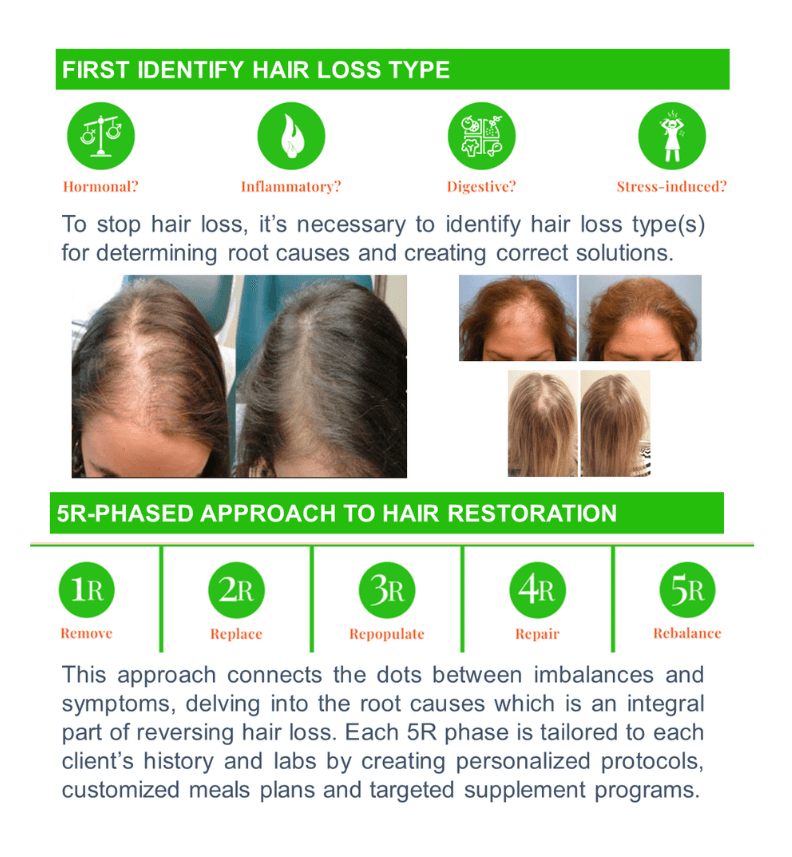
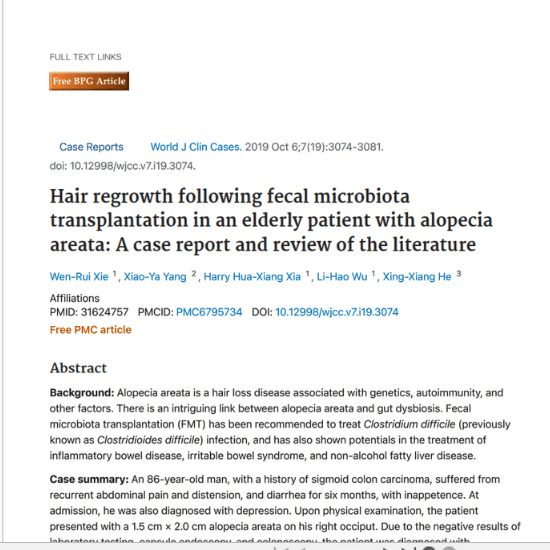
There is a known association between gut dysbiosis, inflammatory bowel disease, and hair loss. In 4 published clinical trials, where men and women with alopecia received a fecal transplant, all were able to regrow hair afterwards proving that a healthy microbiome plays a major role in hair growth and reversal of hair loss. Given how much the gut and our immune system collaborate and overlap, the presence of immune system dysregulation and autoimmunity means that we need to take a closer look at the gut and investigate the root causes that have led to dysbiosis, nutrient deficiencies, hormonal imbalances, inflammation and inevitably hair loss.
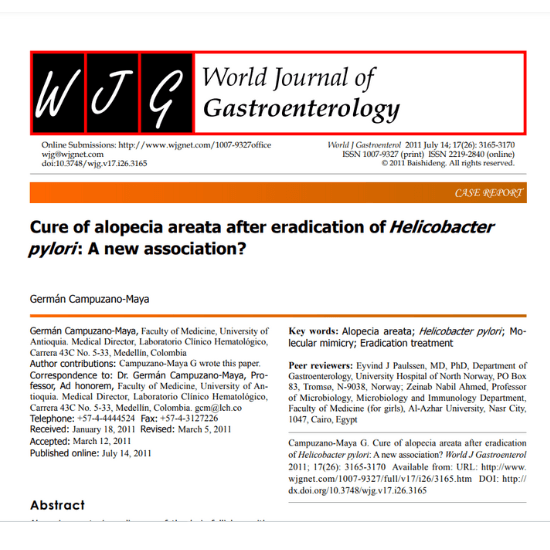
Cure of alopecia areata after eradication of Helicobacter pylori: A new association?
A case of a 43-year old man with an 8-mo history of alopecia areata of the scalp and beard is presented. The patient was being treated by a dermatologist and had psychiatric support, without any improvement. He had a history of dyspepsia and the urea breath test confirmed H. pylori infection. The patient went into remission from alopecia areata after H. pylori eradication.
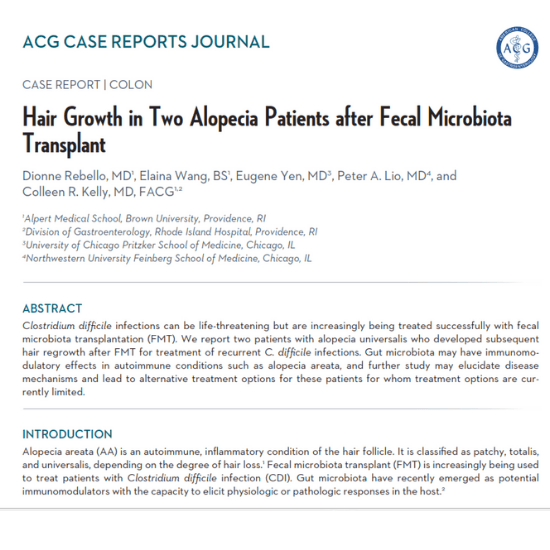
Hair Growth in Two Alopecia after Fecal Microbiota Transplant
We present 2 case reports where notable improvement in AA was observed after FMT was performed for recurrent CDI. Further study of gut microbiota in patients with autoimmune alopecia may elucidate disease mechanisms and provide evi- dence to support clinical trials of FMT in this population for whom treatment options are currently limited.
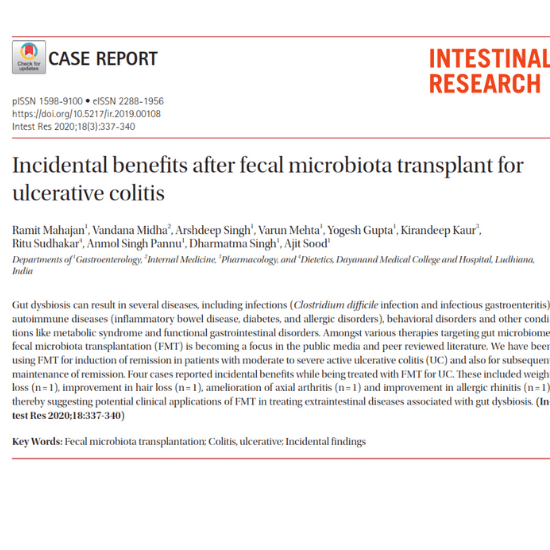
Incidental Benefits After Fecal Microbiota Transplant for Ulcerative
Correction of gut dysbiosis with FMT not only results in mucosal healing in the gut, but also has profound systemic, immunological and metabolic response. However, few questions remain unanswered.
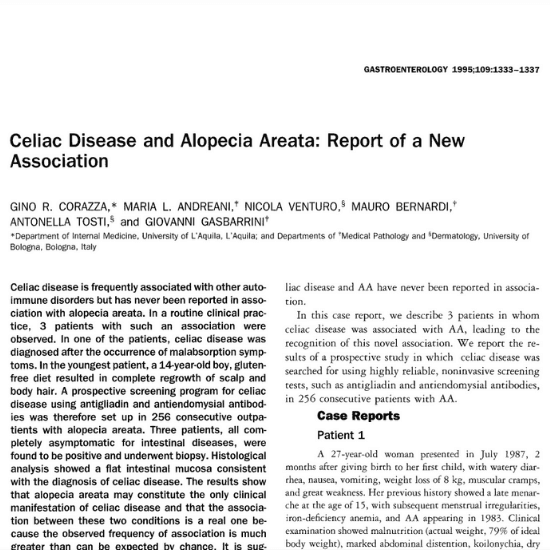
Celiac Disease and Alopecia Areta: Report of a New Association
Since it can be daunting to search for products that support healing, I have links below to my favorites. Just click on the name or image and it will take you to the website of that company. Note, some of these are affiliate links which means I may get a referral fee if you make a purchase. This does not increase your price and in some cases gives you a discount. A case of a 43-year old man with an 8-mo history of alopecia areata of the scalp and beard is presented. The patient was being treated by a dermatologist and had psychiatric support, without any improvement. He had a history of dyspepsia and the urea breath test confirmed H. pylori infection. The patient went into remission from alopecia areata after H. pylori eradication.
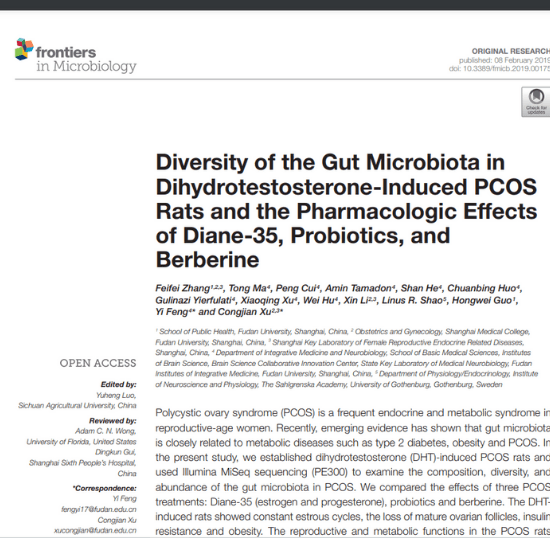
Diversity of the Gut Microbiota in Dihydrotestosterone-induced PCOS Rats and the Pharmacologic Effects of Diane-35, Probiotics, and Berberine
PCOS and its progress to metabolic syndromes, type 2 diabetes mellitus, have traditionally been considered with intake of excess caloric a decrease of physical activity, and certain genetic factors. However, increasing evidence suggests that the intestinal microbiota are closely associated with these diseases.
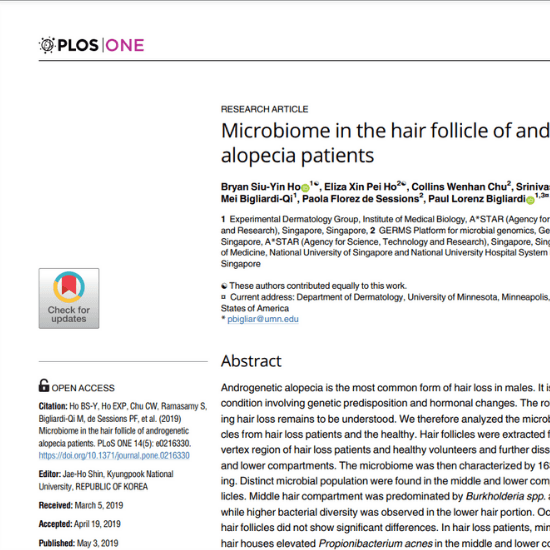
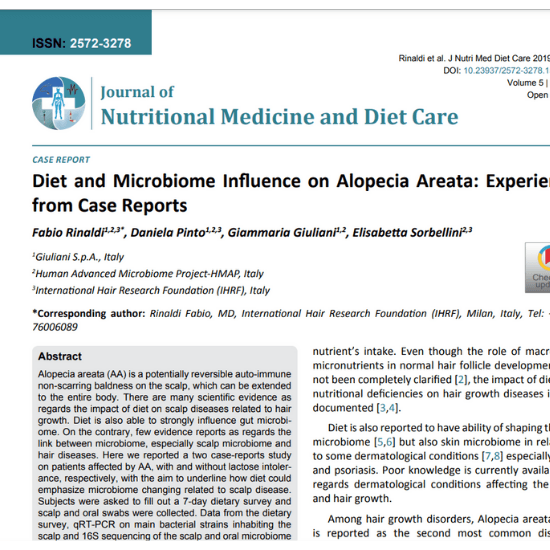
The modulation of the gut microbiome by mean of diet could represents a valid approach in the managing of hair growth disorders, especially AA, in which also the permeability of the gut can be compromised.